Urbanists often explain successful cities through movement. Walkability, density, transit, mixed use, fifteen-minute neighbourhoods. We measure urban quality through access and friction, through how quickly one can reach work, leisure, schools, parks and one another.
These ideas matter. But I increasingly suspect they describe something deeper without quite naming it.
When people praise a city for being walkable, what they may often be describing is not movement itself but cognition. They are describing the experience of observing a city, understanding it, mentally mapping it and intuiting its geography, both physical and social, until it becomes something one can summon from memory.
This process need not happen on foot. One can develop this familiarity by train, bicycle, ferry, tuk-tuk, even by car. The method matters less than exposure. What matters is whether movement allows repeated contact with place.
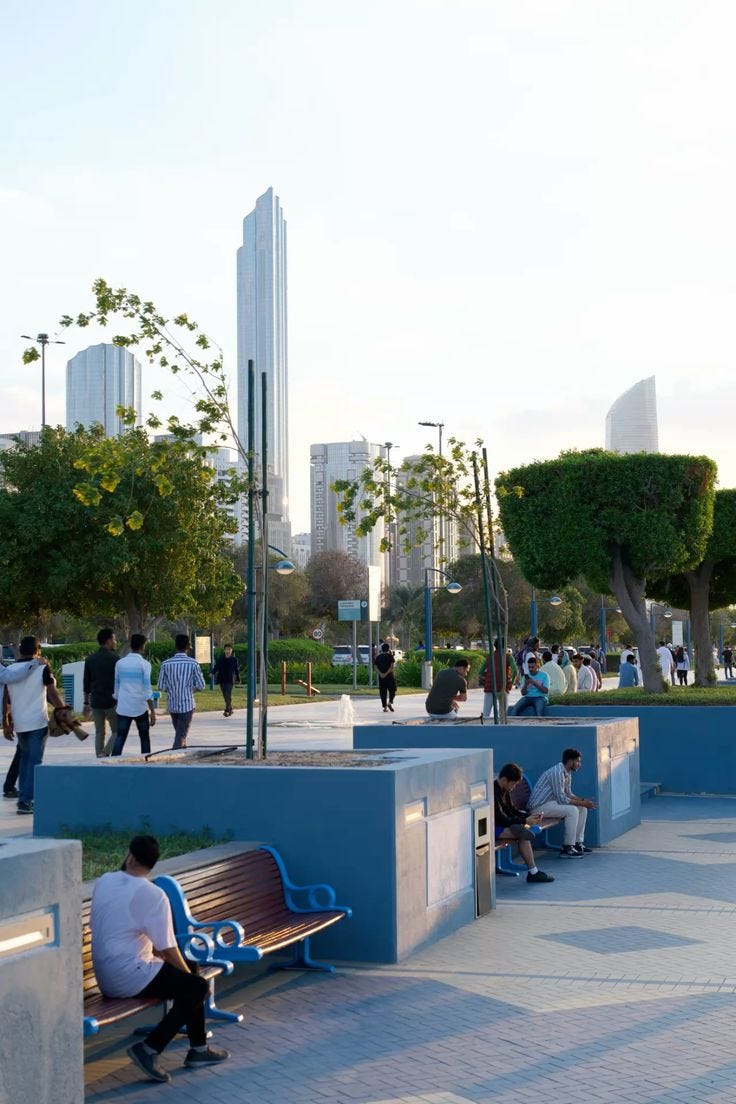
Abu Dhabi and Dubai are often dismissed as unwalkable. Climatically and spatially, they frequently are. Yet they are not unimaginable.
Abu Dhabi, in particular, is surprisingly coherent. Its island geography, waterfront edges and clear transitions create a strong mental image. One can orient oneself easily and distances feel meaningful. Even movement by car builds familiarity. Dubai, too, is highly legible, though differently. Its districts exist vividly in the imagination: the marina, the old city, the financial centre, the beaches, industrial zones and residential enclaves.
Through repetition, people internalise geography. They accumulate nodes and routes. They learn where life concentrates and where it loosens. They understand transitions in atmosphere before they understand them formally. They recognise which roads signal arrival and which places belong to youth, ambition, family, quiet or celebration.
Without noticing, they begin building a mental map. Not an accurate map, but a lived one.
This process feels more important than urban discourse often allows, because cities become inhabitable when they become imaginable. To imagine a city is not simply to know where things are. It is to hold relationships and agency in the mind, to understand that one place exists because of another and to feel that movement has shape.
Some cities are immediately available in this way. Others remain opaque. But legibility alone is not enough. A city can be perfectly legible and still feel strangely inert. You can understand it completely and yet feel no urge to interact with it, tell stories about it or build memories within it.
This is where another quality emerges, one less discussed and harder to design. Cities do not become meaningful merely because people can decipher and imagine them individually. They become meaningful when people imagine them together, when collective narratives, histories and myths begin to form and people subscribe to them as part of a shared identity.
For a city to become more than infrastructure, individual maps must begin overlapping. People must develop shared reference points, assumptions, jokes and myths. Not grand national myths, but small urban myths, rumours and legends. The café everyone believes used to be better. The fishmonger who rescued a woman from the canal; the betel leaf seller who still refuses to speak to the newsagent over a decades-old land dispute. The street people avoid after dark because two neighbours once heard voices on their way home and exorcisms had to be performed. The route everyone insists is faster, though no one has checked, simply because the roads are lined with mango stalls. The building that changes identity every decade because it keeps being sold and renamed.
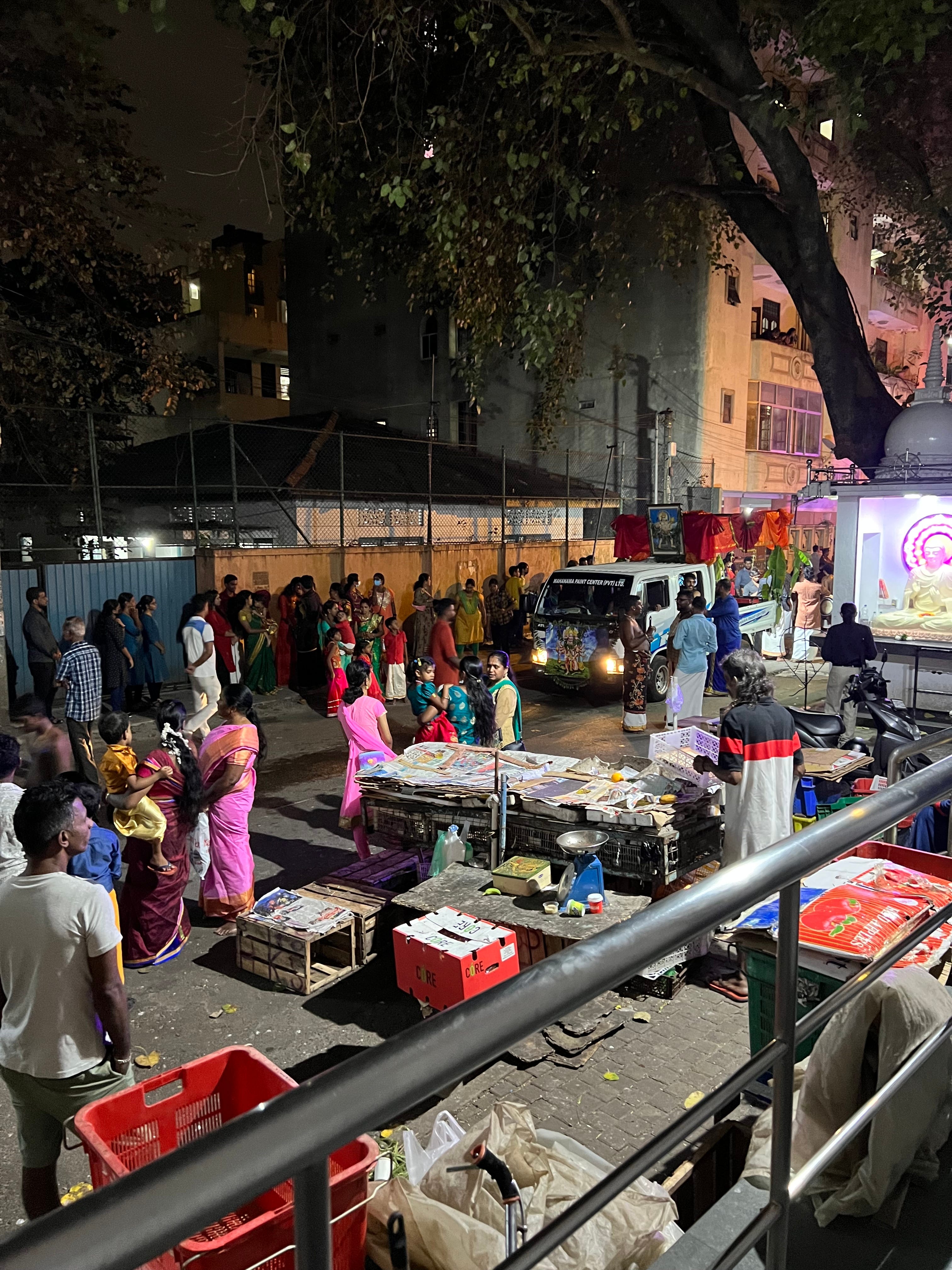
These stories seem trivial. But they are how cities become emotionally inhabitable. They transform geography into society and culture.
Urban theory often treats identity as something cities possess. But perhaps identity is not a property of cities, streets or architecture at all. Perhaps it is an activity, a social process. A city’s character may not reside in planning but in the degree to which people continuously reinterpret it together. The more useful question may not be whether places have identity, but whether they produce shared mythology.
This feels particularly relevant in the Gulf.
Increasingly, life can feel private rather than public. Encounters are organised rather than incidental. Communities become dispersed across homes, workplaces and curated destinations. Public life exists, but often in controlled environments rather than porous urban ones.
People know the city. But do they collectively narrate it? Do rumours form? Do places accumulate folklore? Does a café become civic memory rather than individual routine?
This feels important because mythology requires circulation. Stories only become urban stories when strangers participate in them.
Colombo offers an interesting counterpoint. Parts of Colombo remain physically traversable, though increasingly organised around movement rather than lingering. Yet the city still produces disproportionate amounts of collective imagination. Places carry multiple identities simultaneously. Streets retain old names. People orient through memory and anecdote as much as infrastructure. Someone always knows a shortcut. Someone remembers what used to be there. Places are continuously reinterpreted through conversation.
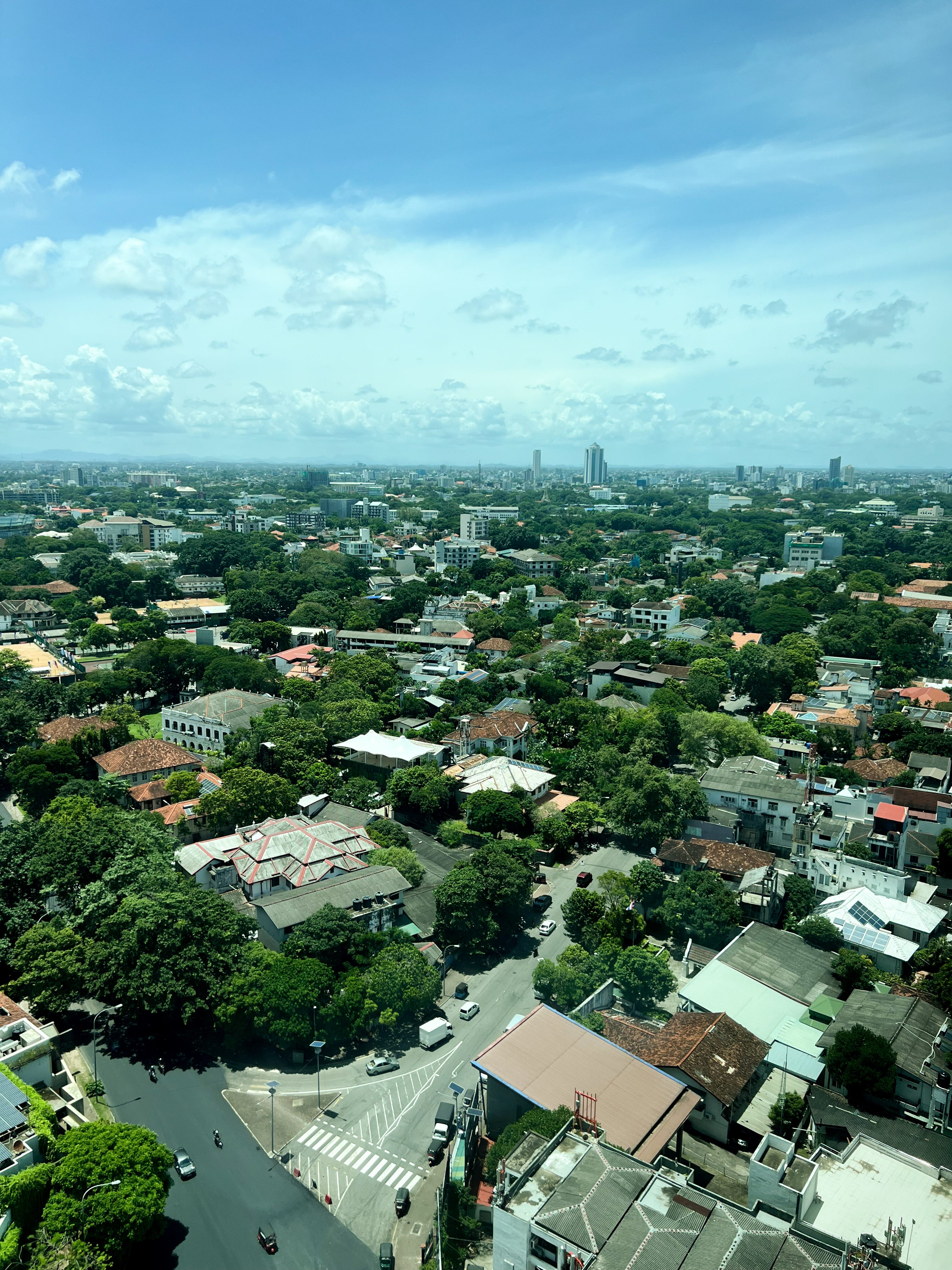
This layering gives the city thickness.
But distinction alone is insufficient. Places must feel different enough to generate meaning, not necessarily beautiful, historic or preserved, simply distinct. If every district feels interchangeable, imagination struggles to attach itself.
Difference must also become socially visible. For collective imagination to emerge, people must encounter one another publicly, not through endless festivals or orchestrated spontaneity but through ordinary overlap. Enough shared space for habits to become visible. Enough repetition for strangers to become familiar. Enough circulation for stories to survive.
Public life matters because it is how cities become authors of themselves. A city can be physically accessible and socially closed. People may move efficiently between home, work and consumption while remaining absent from one another. They may know the city intimately while contributing nothing to its mythology.
Copenhagen presents another version of this challenge. It is one of the most imageable cities in the world. Cycling reinforces geography, districts are coherent and movement becomes intuitive. But coherence alone does not necessarily create mythology. Cities can become so frictionless that interpretation begins to thin out. Public life exists, but not always unpredictably. The city becomes fully resolved, beautiful, functional and admired, yet leaving less room for invention.
Likewise, a city may be fragmented, imperfect or difficult to navigate and yet feel intensely alive because people continuously interpret it together.
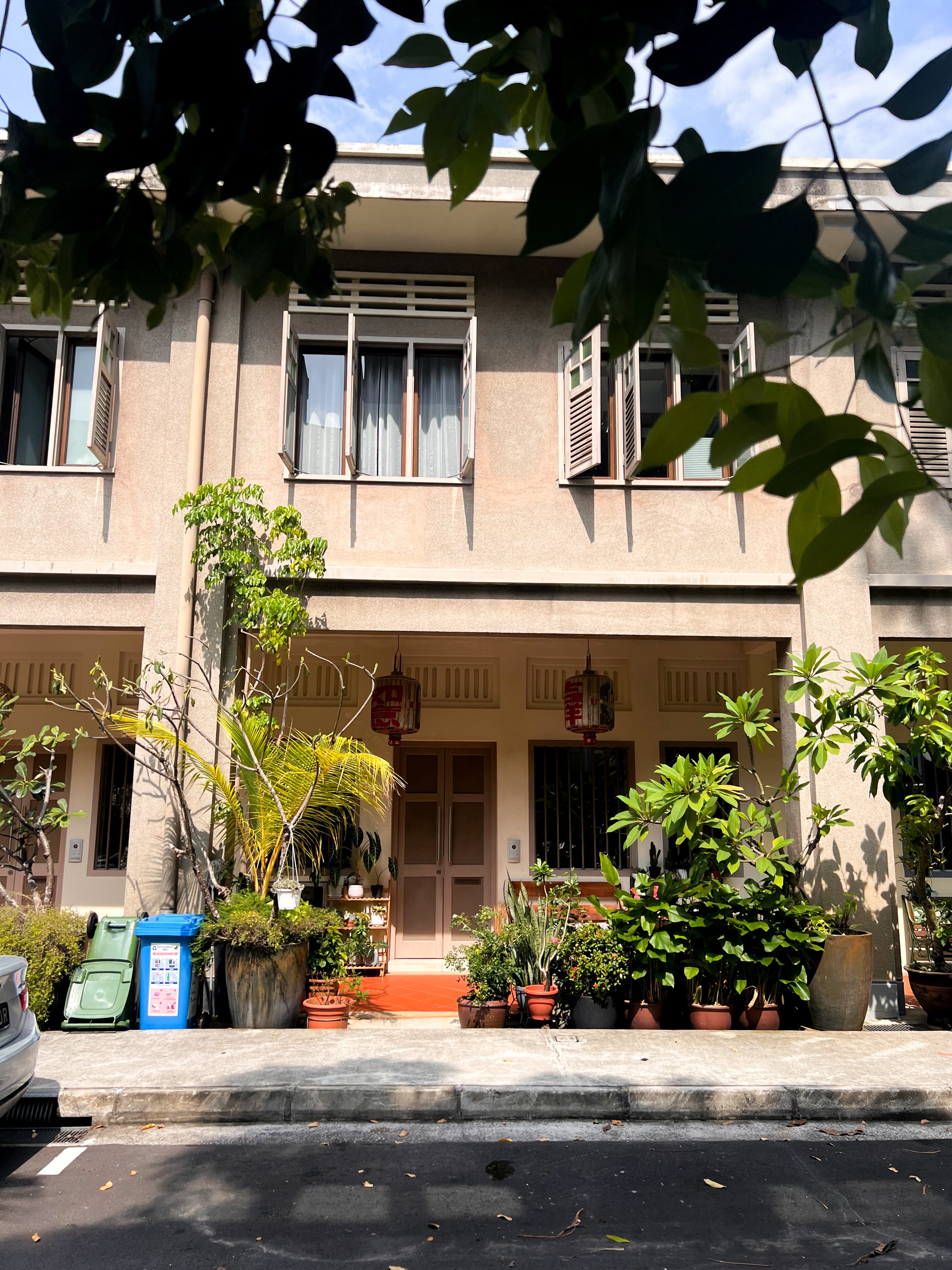
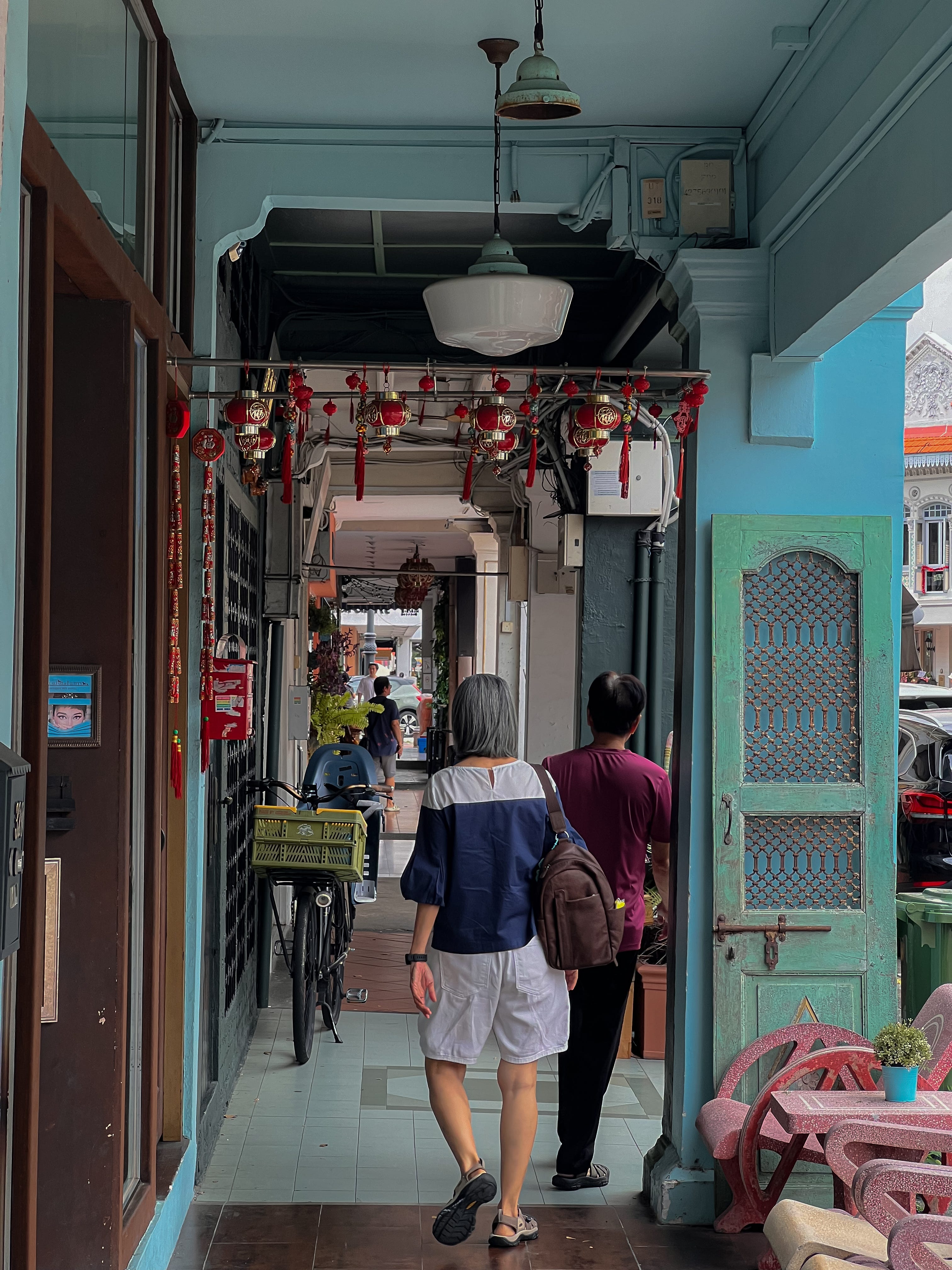
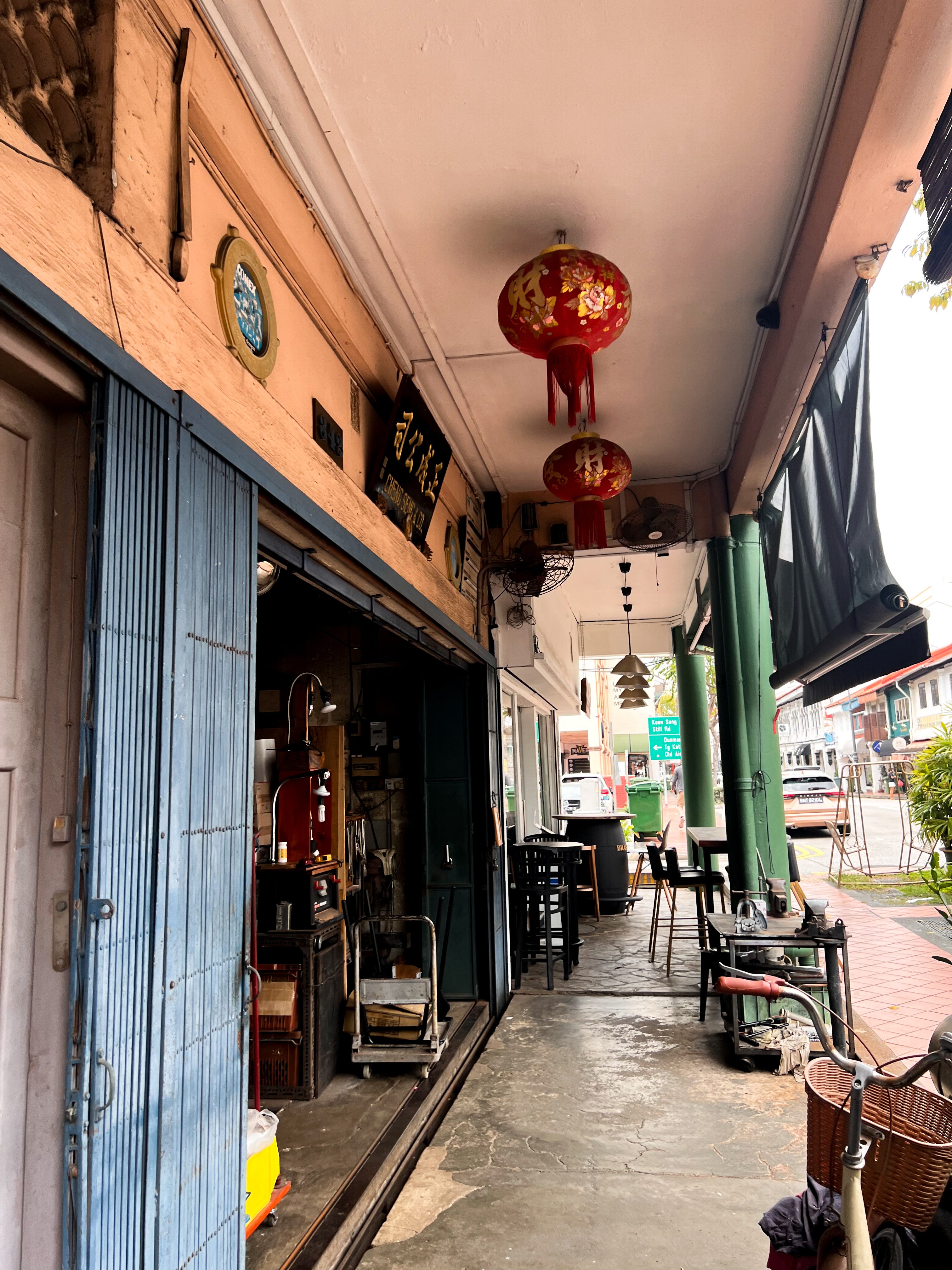
This may explain why, in Singapore, neighbourhoods often dominate people’s affection more than the city itself. Places like Tiong Bahru and Joo Chiat feel larger in memory than in area, not because they are more efficient but because they contain enough distinction and enough public overlap for stories to accumulate. People know where they are. More importantly, people know what they mean.
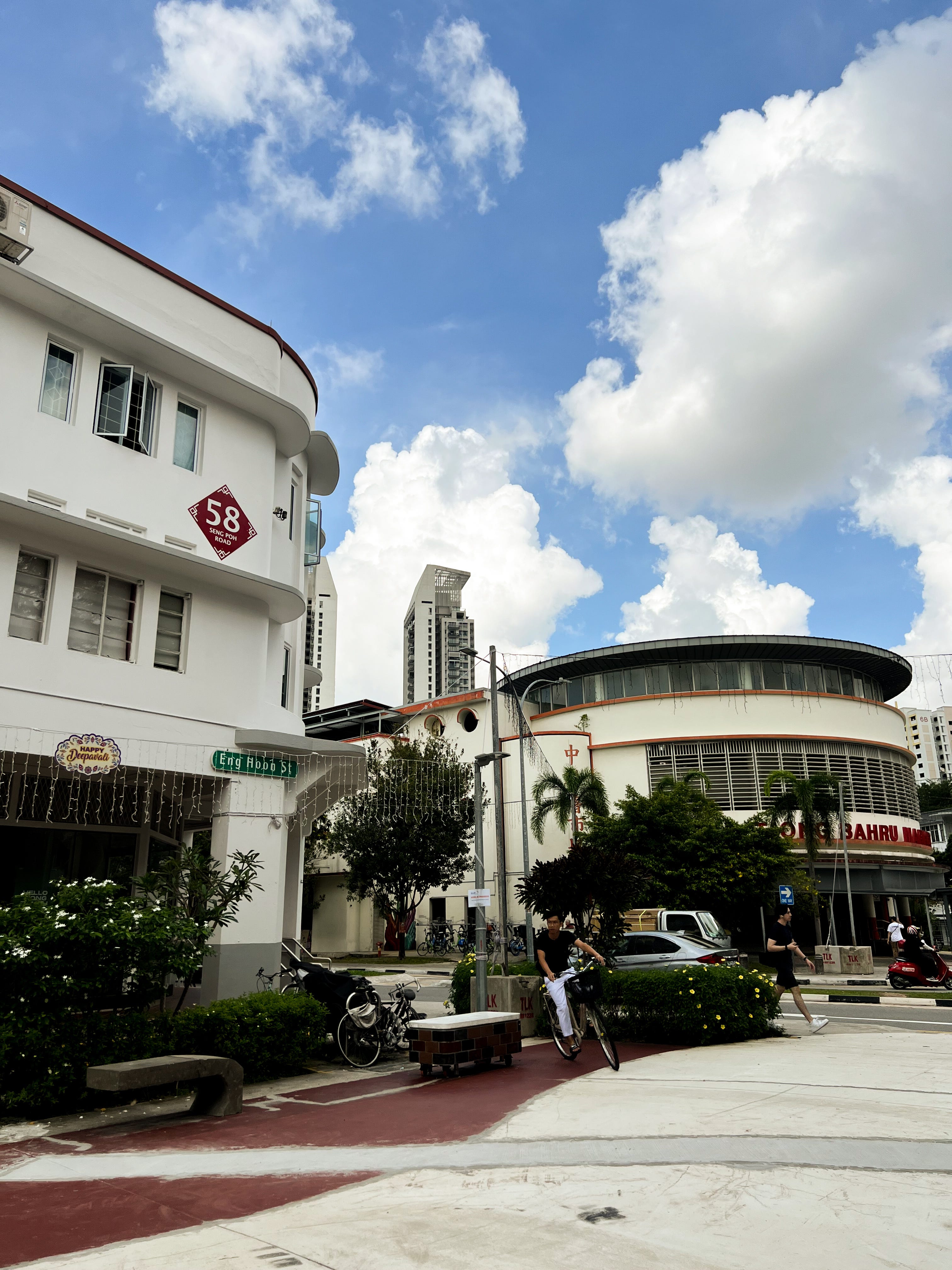
Urban richness does not emerge from order or chaos. It emerges from exchange. This creates an uncomfortable possibility. The most liveable cities may not be those that maximise comfort but those that preserve opportunities for shared interpretation. Too much friction makes cities exhausting. Too little friction risks making them silent.
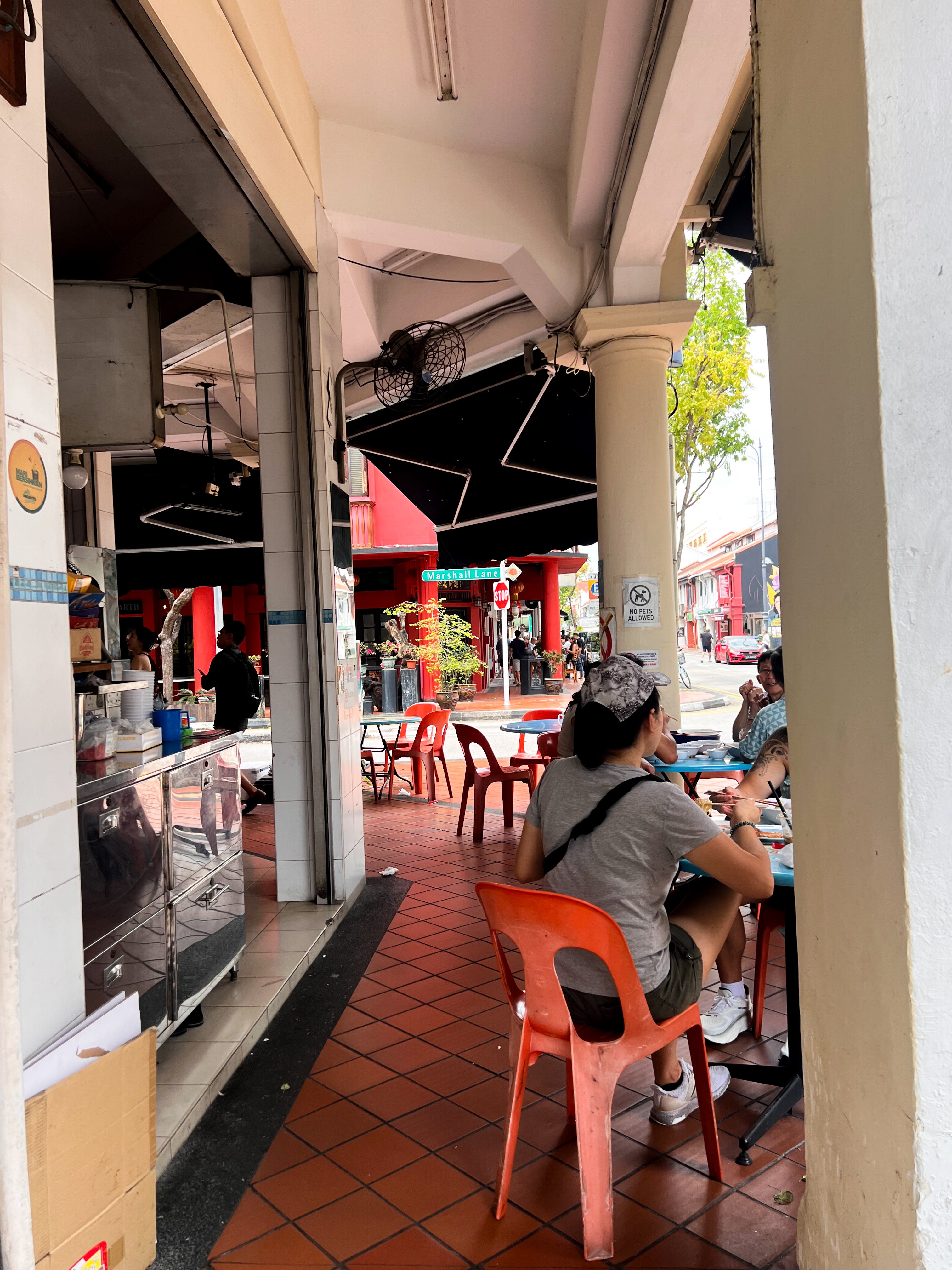
Likewise, mythology itself can become unstable. Some cities become so aware of their own narratives that they begin reproducing them intentionally. Stories become brands. Neighbourhoods become identities before anyone has lived them.
This may be why London continues to exert such force despite all its contradictions. Not because it is perfectly planned or especially comfortable, but because it remains endlessly interpretable. People disagree about London constantly and that disagreement becomes part of the city itself. Entire identities are built around surprisingly small differences in place.
New York often does this too, though increasingly its mythology can feel self-aware, cities exporting their own stories back to themselves through media, branding and tourism. Perhaps that is unavoidable. Every successful city eventually becomes conscious of its own legend. The question is whether ordinary people still feel able to add to it.
Walkability matters, but not because walking is virtuous. Movement matters because it allows people to construct maps. Maps allow distinction. Distinction allows stories. Stories are how strangers become citizens.
Perhaps cities become liveable not when they are easy to move through but when they become available for collective imagination. People do not ultimately want cities that are merely efficient or endlessly stimulating. They want cities that feel unfinished, cities that still leave room for interpretation.
A city becomes memorable when people can imagine it. A city becomes liveable when people can add to it. And a city becomes loved when enough people believe, however quietly, that their version of the city exists alongside everyone else’s.