

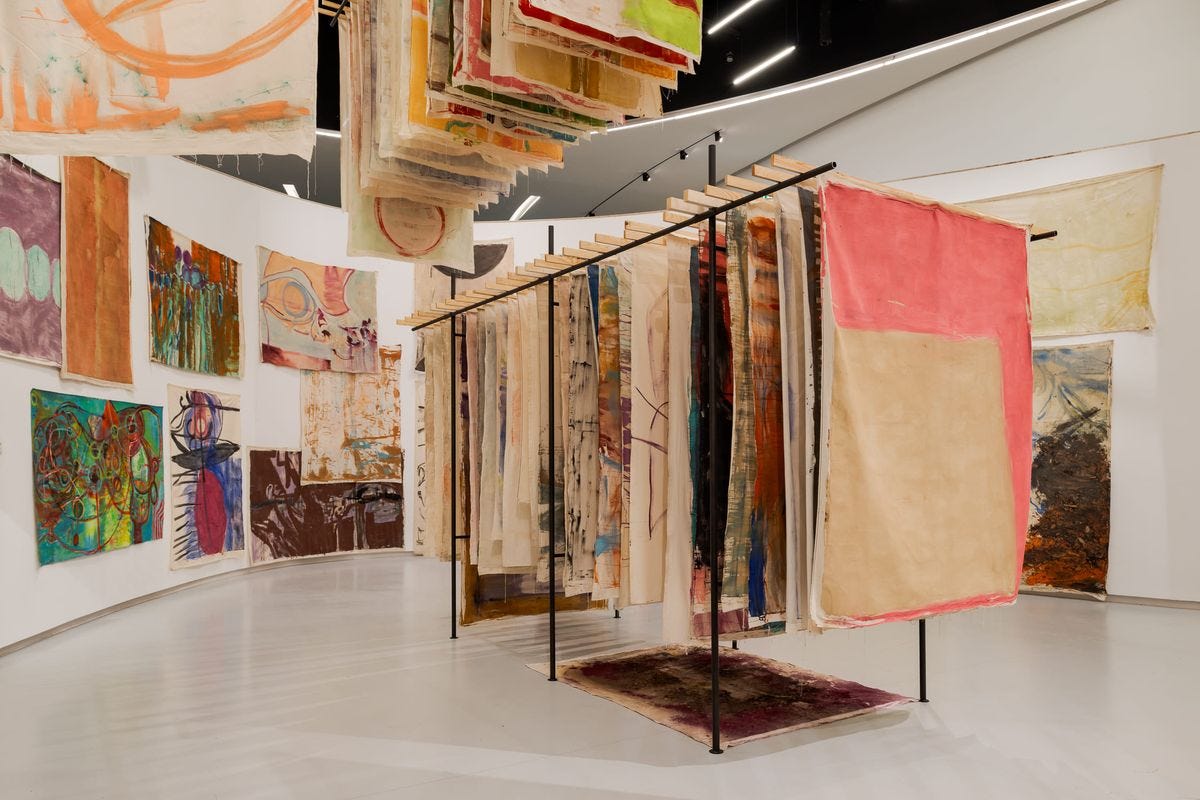
Museums and galleries are never hollow containers of objects, nor are they simply, spaces. There is an evident difference between a piece of art on a wall or an artefact in a room than that to a specific piece of art organised in a specific way, on a specific wall, next to other specific art, with a specific description. Equally, a particular artefact, presented either in isolation, or with particular contextual clues, itemised and catalogued thematically, or diametrically opposite to other artefacts, is a different act altogether. This idea echoes Roland Barthes, who described myth as a second-order system of meaning: a layer in which cultural values and ideologies are naturalised until they appear self-evident. If the artwork or artefact is the first layer, i.e. the denotation (the object itself), then the institution adds another: a framework of narrative, symbolism, and authority, i.e. a connotative system. What emerges is not only interpretation, but a cultural mythology: a shared framework through which meaning is made legible. That museums and galleries act as sites where cultural narratives are produced, social space is shaped, and imagined realities are given form, is both their strength and challenge.
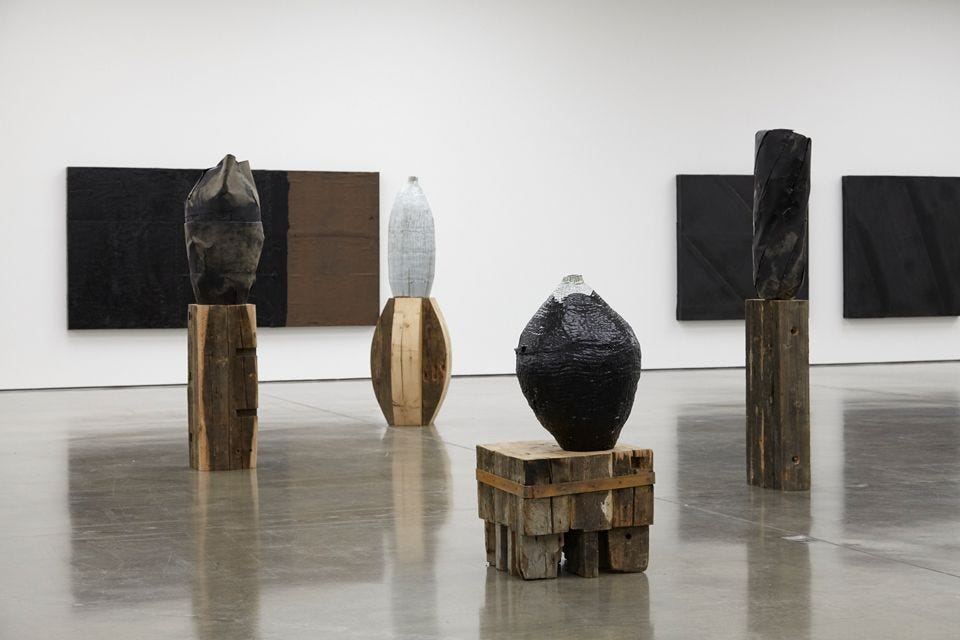
As such, we have to take Henri Lefebvre seriously, and admit that a museum is a produced space. It is not neutral, but actively constructed through ideology, design, ritual, and use. In Lefebvre’s terms, museum space sits at the intersection of conceived space (the curatorial plan, institutional narrative), perceived space (the visitor’s bodily movement through galleries), and lived space (the emotional and symbolic meanings visitors attach to what they encounter). What appears as objective heritage is, more precisely, the result of cultural and spatial framing. The arrangement of objects, labels, lighting, circulation, all of it, produces a curated worldview in which historical interpretation and institutional perspective become closely intertwined. It organises how culture should be understood. Thus, it forges a sense of an underlying structure: systems of relations, rules, and differences within which a work of art or artefact was created.
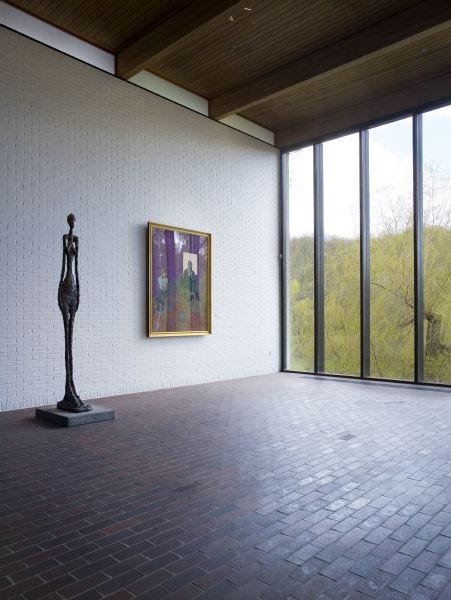
That immediately connects to Benedict Anderson and his idea of nations as ‘imagined communities’. Museums have long played a central role in this process. Through artefacts, portraits, maps, and timelines, they give tangible form to collective narratives. Standing before curated heritage, visitors are invited to imagine themselves as part of a larger shared story. We never meet all members of our community, yet we believe such a collective exists and subscribe to the notion of a shared story. The museum thus becomes a stage upon which collective realities are assembled and experienced. But Anderson also reveals the fiction involved. These realities are imagined not because they are fictitious altogether, but because they are narratively assembled. They emerge through choices: what is included, what is omitted, what is emphasised, and what remains in the margins.
This is where Walter Benjamin offers an important lens. Benjamin’s reflections on aura and historical consciousness remind us that museums are paradoxical spaces. On one hand, they preserve the uniqueness and authenticity of singular objects. On the other, by removing those objects from their original contexts and placing them within curated narratives, they transform them into symbols within broader cultural frameworks. For Benjamin, history is never simply inherited; it is staged. Museums can, at times, inherit narratives of linear progress that risk flattening historical complexity, but Benjamin warns against this homogeneity. He pushes toward a more critical view, for each artefact is also a fragment of struggle, carrying traces of domination as much as achievement.
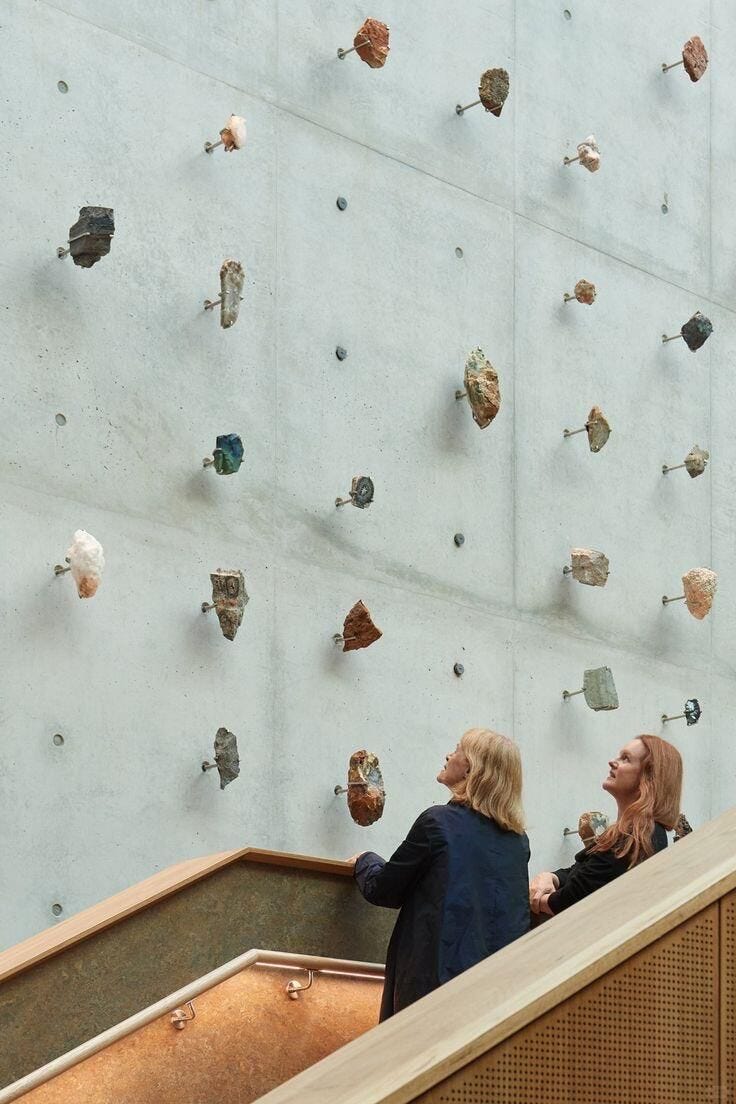
This is where a museum or a gallery’s agency to create meaning, give that second connotative layer, matters. A museum can reinforce dominant myths, or interrupt them by revealing historical discontinuities, tensions, and competing memories.
Seen together, the question isn’t whether museums and galleries do more than display objects; they invariably do. They shape memory, identity, and reality itself. They construct symbolic frameworks that become publicly legible. They give physical form to ideas through which communities recognise, negotiate, and sustain collective meaning. The question is how they might, through the same spatial and aesthetic authority, present counter and parallel narratives, that encourage the continued re-interpretation and reinvention of counter cultural imaginaries. If museums and galleries are places where meaning is produced, they can also become places where meaning is questioned, expanded, and reimagined.
This is where contemporary practice becomes especially significant.
Rather than presenting a single authoritative interpretation, exhibitions can embrace variegated narration. Instead of a single authoritative label, exhibitions can hold conflicting interpretations side by side (scholarly, community-based, artistic, and personal), acknowledging that memory is always contested.
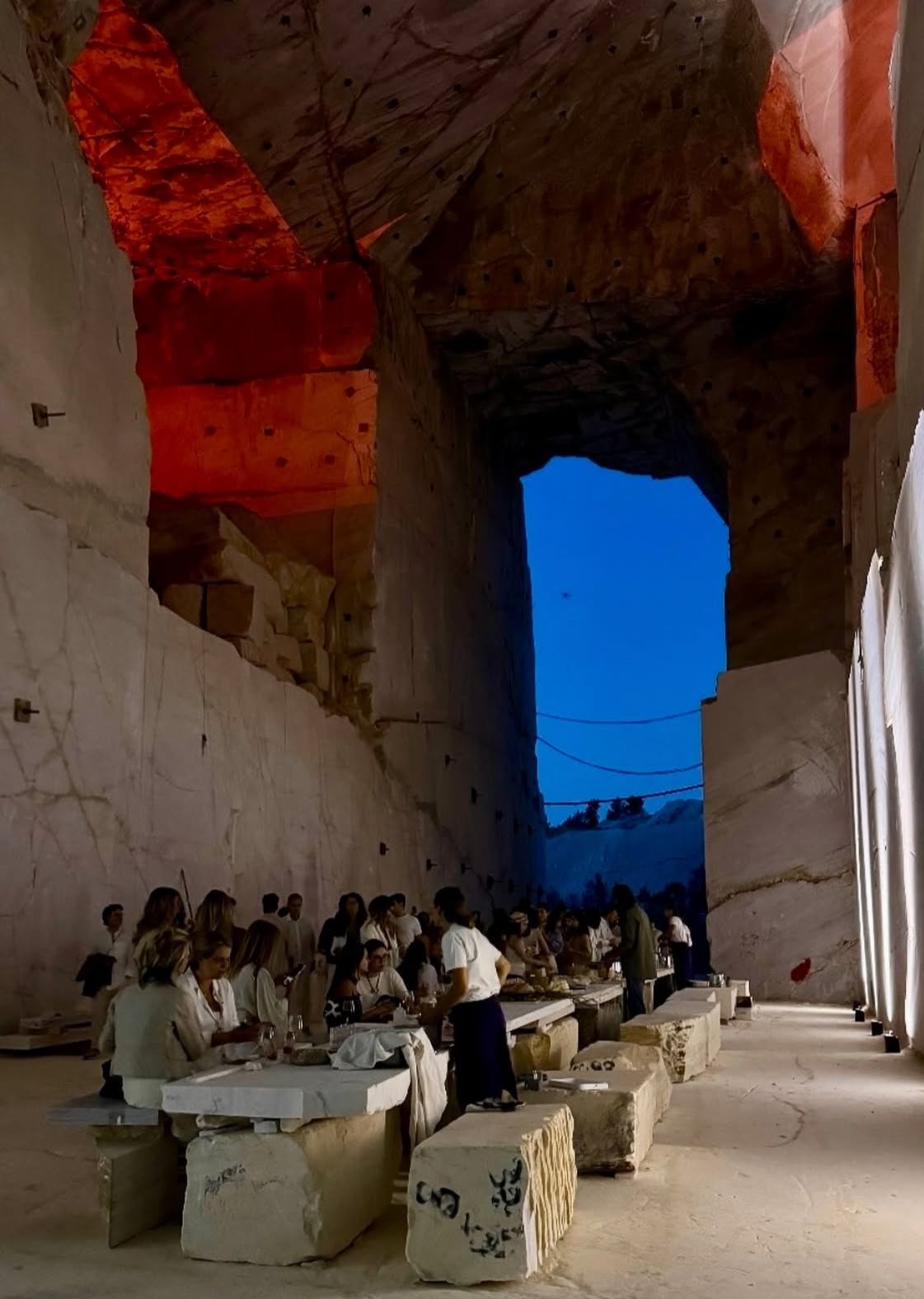
Museums can also work through temporal layering. Rather than presenting history as a concluded project, they can connect historical objects to present conditions and future possibilities. A colonial artefact, for example, should not only be contextualised within its era but linked to contemporary debates about restitution, migration, and cultural ownership. That makes memory active rather than archival and more relevant.
Galleries, especially contemporary art spaces, can sometimes have greater agency to destabilise official narratives. If the museum often consolidates memory, the gallery can test alternate futures. It may host speculative worlds, counter-histories, and unrealised possibilities. In that sense, galleries can become laboratories of imagined realities rather than custodians of fixed ones. Still, even the most radical gallery is not outside its own ideology. It too frames perception, produces taste, and builds symbolic capital, because it too must be selective about who curates, stages, and organises even its own laboratory of disruption, by virtue of having to choose who participates.
In museums, there is also the possibility of creating participatory archives, where communities contribute stories, objects, oral histories, and interpretations that become part of the institutional record. This expands the museum’s role from steward of established narratives to platform for plural memory-making.
Architecture, too, plays a role. Nonlinear pathways, spaces for reflection, visible backstage processes, and more porous boundaries between institution and public life can all shift the visitor experience from passive observation toward active engagement.
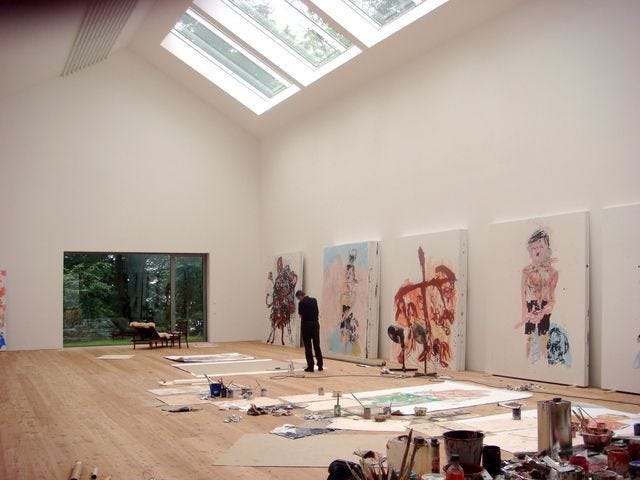
Artists can contribute powerfully to this evolution. Commissioning works that interrogate the collection can create internal critique. The gallery becomes not only a site for showing art, but a site where its own assumptions are tested. Returning to the earlier point on architecture, if such experiments can be housed within the exhibition space, where artists are working on interrogative work next to the work that’s being interrogated, while visitors move through the space, the effect could be profoundly significant in challenging the assumption of singular interpretation.
What emerges is not a rejection of the museum or gallery, but an expanded understanding of its potential. The most compelling institutions are not those that claim neutrality, but those that recognise their role in facilitating the evolution of narratives and interpretations and invite audiences into that process.
Because the production of memory, identity, and reality is unavoidable. The question is whether these are presented as stable truths, or as living, revisable, and collective conversations.